
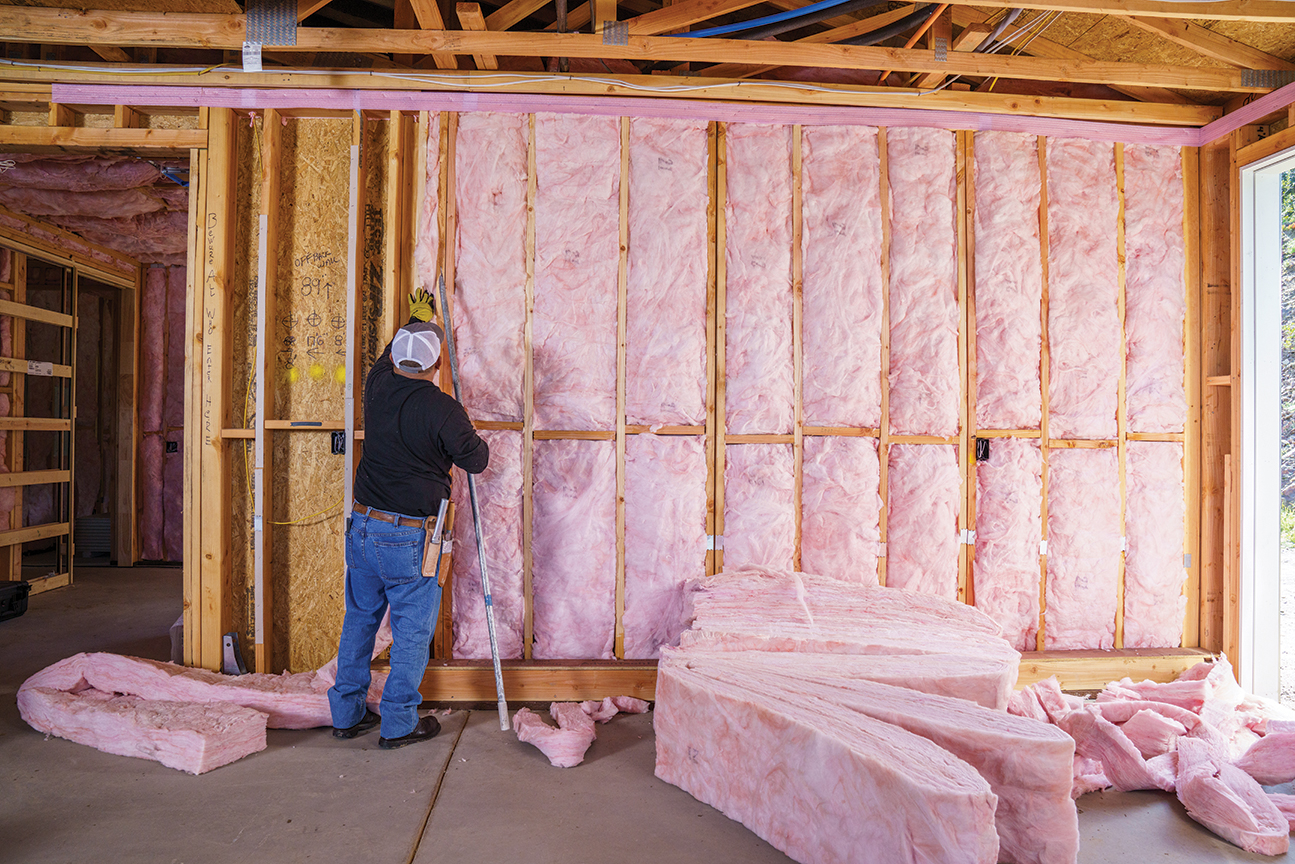
If your mobile home is hot in summer, cold in winter, and expensive year-round, insulation is almost always the first problem to fix. Manufactured homes are built to a minimum HUD insulation standard that is well below modern site-built code. The good news: you can dramatically upgrade insulation as a DIY project, and the payback is usually measured in months, not years.
This guide covers where heat actually escapes from a mobile home, which areas to insulate first, and the materials that work best for each.

Signs Your Mobile Home Is Under-Insulated
Before you start pulling up belly board or blowing in cellulose, make sure insulation is actually your problem. A few common tells:
- Cold floors in winter. If your floors feel icy but the thermostat reads 68, underbelly insulation is thin or missing.
- Condensation on interior walls or windows. Moisture forming inside means the wall or window is cold enough that warm indoor air is condensing on it.
- Big temperature swings between rooms. Rooms on the shady or downwind side will feel much cooler if wall insulation is uneven.
- Drafts near outlets, vents, or baseboards. Air leaks often hide behind the trim of older mobile homes.
- Utility bills that feel too high for the square footage. Compare your cost per square foot to a typical site-built home in your area. If you are paying more, insulation (or air sealing) is usually why.
Where Heat Actually Escapes in a Mobile Home
Thermal imaging studies of mobile homes consistently show three big leak points. If you are only going to tackle one, pick the first.
- The underbelly (floor cavity). The single largest heat-loss area in most mobile homes. Cold air and ground moisture migrate up through the subfloor.
- The ceiling or attic. Most manufactured homes ship with R-19 ceiling insulation or less, well below what a cold climate needs.
- Windows, doors, and vents. Air leaks around these areas often account for 15 to 25 percent of your heating bill.
What R-Value You Actually Need
R-value is the measure of how well insulation resists heat flow. Higher is better. The right target depends on your climate zone, but here are reasonable starting points for manufactured homes:
- Attic / ceiling: R-38 to R-49 in cold climates, R-30 minimum in mild climates.
- Floor / underbelly: R-19 to R-30 depending on how cold your winters get.
- Walls: whatever the cavity will hold, usually R-11 to R-15. Walls are the hardest to retrofit.
Those numbers assume the insulation is installed correctly and the envelope is reasonably air-sealed. A perfect R-49 attic with a leaky bath fan will still bleed heat. Air sealing and insulation work together.
Underbelly Insulation (The Biggest Win)
The DOE and HUD both recommend closed-cell spray foam for mobile home underbellies because it seals the cavity against moisture and rodents, two problems fiberglass does not solve. For a DIY job, you have three realistic options:
Option 1: Rigid foam board. The most DIY-friendly. Cut 2-inch polyiso or XPS foam board to fit between floor joists, seal edges with foam sealant, and cover with a belly board or moisture barrier.
Option 2: Fiberglass batts. Cheaper, but must be installed with paper facing DOWN toward the ground and a moisture barrier beneath. Fiberglass loses R-value quickly if it gets wet.
Option 3: DIY spray foam kits. Two-part kits from brands like Touch-N-Seal work for small areas. For a whole underbelly, hire a pro. The material cost alone can exceed hiring someone.
Step-by-Step: DIY Underbelly Insulation with Foam Board
- Lay a 6-mil polyethylene moisture barrier on the ground under the home before doing anything else. This stops ground moisture from ever reaching your insulation.
- Inspect and repair the existing belly board. Replace any rotted or torn sections before insulating. Insulating over damage traps moisture.
- Insulate water pipes with foam pipe sleeves before adding cavity insulation. Frozen pipes are a top mobile home repair call.
- Cut rigid foam board to fit between joists. Aim for a snug friction fit. Seal gaps with spray foam sealant.
- Seal seams between boards with foil tape or spray foam. Air leaks around the foam defeat the purpose.
- Replace the belly board or cover with new housewrap-style material to keep everything dry and rodent-protected.
Mobile Home Insulation Products on Amazon
As an Amazon Associate, TinyRoam earns from qualifying purchases. The links below are affiliate links.
Polyiso and XPS Rigid Foam Board: The DIY underbelly workhorse. 2-inch boards give you roughly R-13 per board and resist moisture far better than fiberglass. Browse rigid foam board on Amazon →
Reflectix Reflective Insulation: Thin radiant barrier perfect for supplementing attic or underbelly insulation, wrapping ducts, or lining HVAC spaces. See Reflectix on Amazon →
Owens Corning Fiberglass Batts: Budget-friendly traditional insulation for attic and ceiling cavities. R-13 to R-30 common sizes. Browse fiberglass batts on Amazon →
Great Stuff Pro Spray Foam Sealant: Essential for sealing gaps, rim joists, and the joints between rigid foam boards. One $25 can covers a lot of ground. See spray foam sealant on Amazon →
Window Insulation Film Kits: 3M and Frost King make shrink-to-fit film kits that add a dead air layer to leaky single-pane windows. Cheapest, highest-ROI winter upgrade. Browse window insulation kits on Amazon →
Common Insulation Mistakes to Avoid
- Compressing the insulation. Stuffing a thicker batt into a smaller cavity does not give you more R-value. Compressed fiberglass loses effectiveness.
- Installing the vapor barrier on the wrong side. In cold climates, the vapor barrier goes on the warm side (toward the living space). Get this wrong and you trap moisture inside the wall.
- Leaving gaps around pipes, wires, or fixtures. Small gaps add up. Use canned foam or caulk to seal every penetration.
- Skipping air sealing. Insulation slows conductive heat loss. It does not stop air from leaking in and out. You need both.
- Using the wrong material in the wrong place. Fiberglass in a damp underbelly will rot. Closed-cell foam in an attic without ventilation can trap heat.
Ceiling, Wall, and Window Upgrades
Ceiling insulation is your second-biggest-return upgrade. Most mobile home attics accept blown-in cellulose or fiberglass. Rent a blower from a home improvement store and do it in an afternoon. Aim for R-38 in cold climates.
Wall insulation is much harder to retrofit without removing interior paneling, usually not worth it unless you are remodeling. A better ROI: weatherstrip every door and window, caulk every penetration, and add an insulating window film kit for a near-instant tightening of the envelope.
The Bottom Line
For most mobile home owners, the optimal DIY insulation sequence is: (1) moisture barrier plus foam board in the underbelly, (2) blown-in attic insulation up to R-38, (3) weatherstripping and window film. Done in that order, you will typically cut 20 to 40 percent off your heating and cooling bill within the first season.