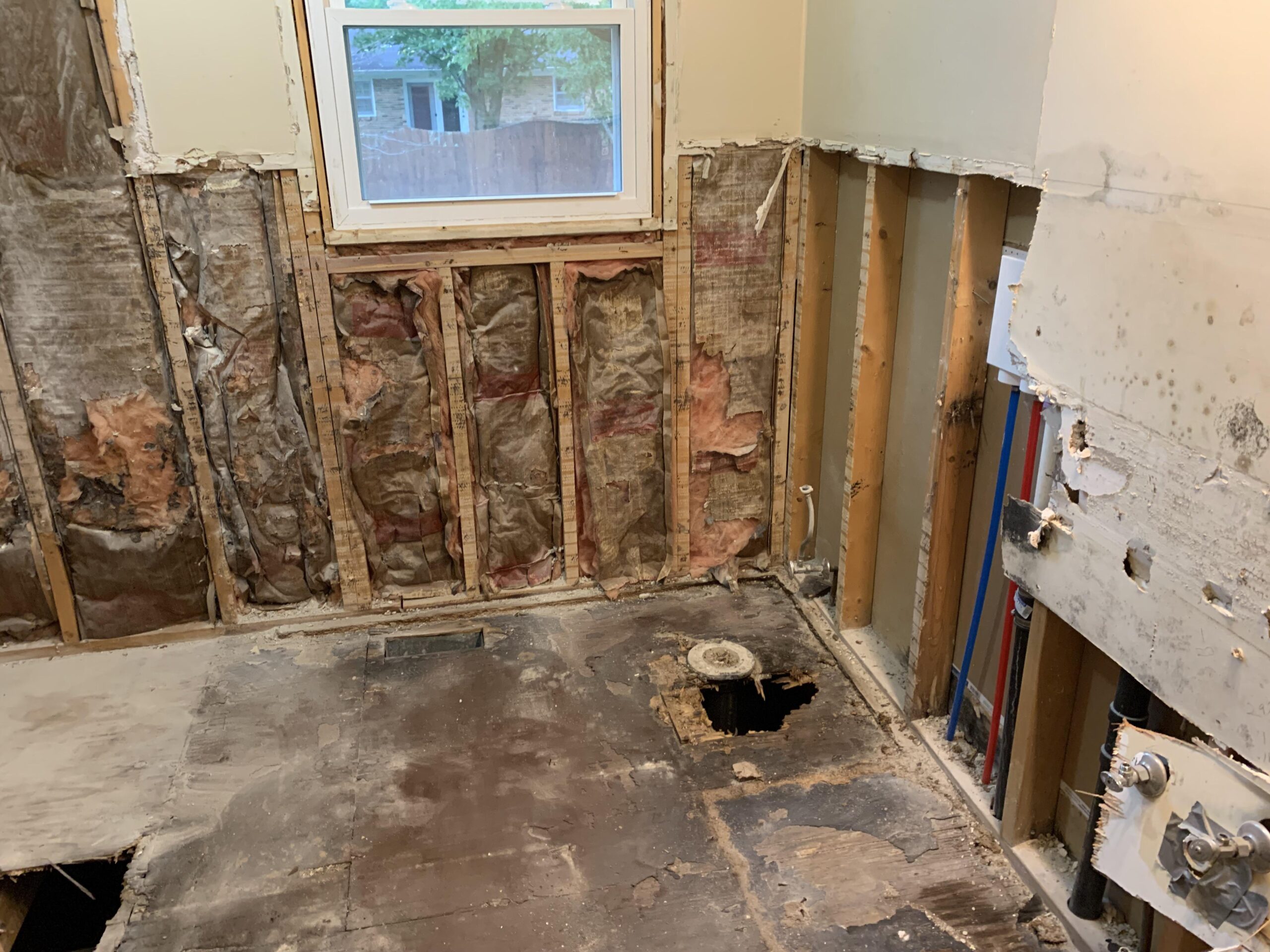
If you just bought your first mobile home, the plumbing probably looks familiar from the kitchen and bathroom down, and then totally foreign once you crawl under the home. That is the one big thing to understand about mobile home plumbing. The fixtures are the same as any house. Everything that runs to those fixtures lives in a completely different world.
Pipes in a mobile home run through the belly, which is the insulated space underneath the floor. Most homes built after 1976 use PEX or CPVC supply lines instead of copper, because those materials are lighter and flex when the home settles or gets moved. Drain lines are typically ABS plastic. The whole system is engineered for a home that might get hauled down the highway at some point in its life, not a home anchored to a concrete basement.
Once you understand that, most of the weird stuff about mobile home plumbing makes sense. The rest of this guide walks you through how to diagnose, fix, and prevent the six problems that send mobile home owners searching the internet at 9pm on a Sunday.
How Mobile Home Plumbing Is Laid Out
Before you try to fix anything, it helps to know where to look.

Water supply lines enter the home from either a well or a municipal hookup, usually near the water heater. The main shutoff valve is almost always inside the home at that entry point, not out by the street. Write this location down. You will need it the first time a pipe bursts.
Hot and cold lines branch off from the water heater and run horizontally through the belly along a central manifold. Each fixture gets its own small-diameter line. If you have PEX, those lines are blue for cold and red for hot. If you have the older gray PB (polybutylene) pipe, replace it as soon as possible. PB failed in class-action lawsuits in the 1990s because it gets brittle and splits.
Drain lines run downhill from every fixture to a main stack that exits the bottom of the home. Vents run up through the roof. The trap under every sink is there to hold water and block sewer gas. If a fixture is not used for a long time, the trap can dry out and let smells in.
The belly wrap is the plastic sheeting or board that holds insulation around your pipes. When it sags or tears open, pipes are exposed. That leads directly to the next section.
Problem 1: Frozen Pipes
This is the most common plumbing emergency in a mobile home, and it is almost always the first problem a new owner deals with. Mobile home pipes freeze faster than site-built home pipes because they sit in the belly, which is not inside the heated living space.

How to prevent it. Three things working together will keep your pipes above freezing in almost any winter:
- Intact skirting all the way around the home. Gaps at the corners let cold wind blow straight across the pipes.
- Good belly insulation. If yours is sagging or torn, patch it with house wrap tape and add batts.
- Heat tape on any pipe that is exposed, especially where the supply line comes into the home.
Leave the interior heat on at a minimum of 55 degrees F even if you are away. Open cabinet doors under the sinks on very cold nights so warm interior air can reach the shutoffs.
How to thaw a frozen pipe. Turn off the water at the main shutoff first. This is critical, because if the pipe has split, you do not want full pressure hitting it when it thaws. Then warm the pipe slowly with a hair dryer or a heat gun on low. Do not use an open flame. Start from the faucet side and work backward so melting water has somewhere to go.
If the pipe is not accessible, a space heater directed at that section of belly from outside will usually thaw it in an hour or two. Run a trickle of water from the farthest faucet once it thaws, to keep things moving while you reinsulate.
Problem 2: Low Water Pressure
Low pressure has five usual suspects. Work through them in order.
Is it one fixture or all of them? If only one faucet is weak, unscrew the aerator from the end and soak it in vinegar. Mineral buildup clogs aerators fast, especially on well water.
Check the pressure regulator. This is a small brass valve on the cold water supply line, usually within a few feet of the main shutoff. If it fails, pressure drops everywhere in the home. You can test it with a pressure gauge that screws onto any hose bib. Normal reading is 40 to 60 psi. Under 30 psi is a bad regulator.
Look for kinks. PEX is flexible, which is great when you want it to go around obstacles, and bad when a tight curve slowly pinches itself shut over the years. Crawl under the home with a flashlight and follow the lines.
Hard water scale. If you are on a well and you have never softened the water, calcium scale can narrow your lines from the inside. A whole-home water softener fixes this and adds years to your water heater and fixtures.
Clogged inlet screen on the water heater. Both the hot and cold ports on most water heaters have a small screen that catches sediment. Shut off the water, disconnect those lines, and check.
Problem 3: Pipe Leaks Under the Home
The fastest, cleanest way to fix a PEX or CPVC leak is with a push-to-connect fitting. You do not need a torch. You do not need crimp tools. You need a tubing cutter and the right size fitting.

The repair, step by step:
- Turn off the water at the main shutoff.
- Open a low faucet to drain pressure from the line.
- Dry off the pipe around the leak so you can see it clearly.
- Cut out the bad section with a PEX cutter. For CPVC, use a tubing cutter or a hacksaw.
- Deburr the cut ends with a knife or fine sandpaper.
- Push a SharkBite or similar push-to-connect fitting onto each end until it bottoms out. Most brands have a depth mark on the fitting.
- Turn the water back on slowly, maybe a quarter turn at a time.
- Watch the repair for three minutes. If dry, you are done.
- Wrap the repair with pipe insulation before you close the belly back up.
For a pinhole leak you want to fix temporarily until you have time to do it right, a rubber pipe repair clamp will hold you over for a few weeks. That buys you time to order parts.
Plumbing Tools and Parts Worth Keeping on the Shelf
As an Amazon Associate, TinyRoam earns from qualifying purchases. The links below are affiliate links.
SharkBite Push-to-Connect Fittings — The single most useful repair part in a mobile home. No crimp tool, no torch, no threading. Keep a few common sizes on hand and you can fix almost any supply-line leak in under 10 minutes.
PEX Pipe Cutter — Makes clean square cuts on PEX so push-to-connect fittings seat properly. A hacksaw will fray the pipe and cause leaks.
Thermostat-Controlled Heat Tape — Wraps around exposed supply lines and kicks on below 38F. Cheap insurance against a burst pipe in January.
Foam Pipe Insulation — Slides over pipes in the belly. Use on every run that touches cold air. Pair it with the heat tape.
Water Heater Anode Rod — The cheap sacrificial part that doubles tank life. Pull the old one every 3 to 5 years and replace it before it corrodes away completely.
25 ft Drum Auger — For mainline clogs a plunger cannot handle. Saves the cost of an emergency drain service call the first time you use it.
Water Pressure Test Gauge — Screws onto any hose bib. Diagnoses a bad pressure regulator in 30 seconds.
Problem 4: Clogged Drains
The traps under mobile home sinks are smaller than what you get in most site-built houses, so they clog faster. Grease, hair, and food scraps are the main culprits.
For a slow sink drain, start with a plunger. Block the overflow hole with a wet rag first so the plunger can build pressure. If that does not work, put a bucket under the trap and unscrew the P-trap. The clog is almost always right there. Clean it out, put it back, run water.
For a mainline backup (every drain in the house is slow, or water comes up in the bathtub when you flush the toilet), stop using water immediately. That is a clog in the main drain line, not a fixture problem. A 25 to 50 foot drum auger will clear most of them. If you do not own one, this is a reasonable time to call a drain service.
Avoid chemical drain cleaners on PVC and ABS. They can soften plastic drain lines over time and cause their own leaks.
Problem 5: Water Heater Issues
Mobile home water heaters are usually 20 to 40 gallons and shorter than standard heaters. They also have a shorter average lifespan, maybe 8 to 12 years, because sediment builds up faster in the smaller tank.

Flush it once a year. Shut off the power or gas. Attach a hose to the drain valve at the bottom of the tank. Run the hose outside or to a floor drain. Open the valve and let it drain for five minutes. Turn the cold water inlet on and off a few times to stir up sediment. You will be shocked at how much brown water comes out of a tank that has never been flushed.
Replace the anode rod every 3 to 5 years. The anode is a sacrificial metal rod that corrodes so your tank does not. Once it is gone, your tank starts rusting from the inside. A new anode is inexpensive and will often double the life of the tank.
No hot water at all? On an electric heater, one of the two heating elements has probably burned out. You can test each with a multimeter and replace it in about an hour. On a gas heater, the pilot light may have gone out, or the thermocouple may have failed.
Set the thermostat to 120 F. Hotter than that speeds up scale buildup and wastes energy, and it is a scald risk for kids.
Problem 6: Toilet Issues
Mobile home toilets use the same guts as regular toilets, and they fail in the same ways.
Running constantly? Replace the flapper. It is a 10 dollar part and takes about 5 minutes. Shut off the supply valve at the base of the toilet. Flush to drain the tank. Unhook the old flapper, hook on the new one.
Weak flush? Usually mineral buildup under the rim jets. Shut off the water, flush the tank dry, and scrub the holes under the rim with a wire brush and vinegar.
Phantom flushing (tank refills by itself every 20 minutes)? The flapper is leaking slowly. Same fix as above.
Wobbly toilet? Shut off the water, unbolt from the floor, replace the wax ring. This is the only toilet repair that takes real effort, but it still only takes an hour.
Preventive Maintenance Calendar
Most plumbing disasters in a mobile home are preventable. Put these on your calendar.

Every fall, before the first freeze:
- Walk the skirting and seal any gaps with expanding foam or new vent panels.
- Check that heat tape is plugged in and the thermostat is working.
- Look under the home with a flashlight for any sagging or torn belly wrap.
- Flush the water heater.
Every spring:
- Check all fittings under the home for freeze damage.
- Test every shutoff valve by closing and reopening it. Valves that never move seize up.
- Clean aerators on every faucet.
Every 3 years:
- Pull and inspect the water heater anode rod.
- Replace hose bib washers.
- Consider a whole-home water filter if you are on a well.
When to Call a Plumber
A lot of this work is DIY friendly. Some of it is not worth the risk. Call a plumber if:
- You have a sewer line backup that a 50 foot drum auger cannot clear.
- You need to replace the pressure regulator and have never done it before.
- You are repiping the entire home. This is doable solo but it is a weekend project for two people with experience.
- A gas water heater has a yellow or wavering flame, or the pilot will not stay lit after you replace the thermocouple.
- You smell gas anywhere in or under the home. Leave, then call.
Bottom Line
Mobile home plumbing is not hard once you accept that the layout is different. The pipes are lighter, the belly is the highway everything runs through, and freeze protection matters more than anywhere else in a standard house. Most homeowners can handle 80 percent of their own plumbing repairs with a SharkBite fitting, a PEX cutter, a pipe wrench, and a 20 dollar drain auger. Keep those on a shelf in your shed, know where your main shutoff is, and you will dodge most of the emergencies that force people into a $400 after-hours service call.